Essential Oral Health for Pets: How to Prevent Dental Disease at Home
How to Prevent Dental Disease in Pets | Oral Health for Cats & Dogs It’s a common myth that “dog breath” is just part of the package. In reality, if your pet’s breath can peel paint off the walls, it’s usually a sign of a microbial party gone wrong. Dental health is one of the…
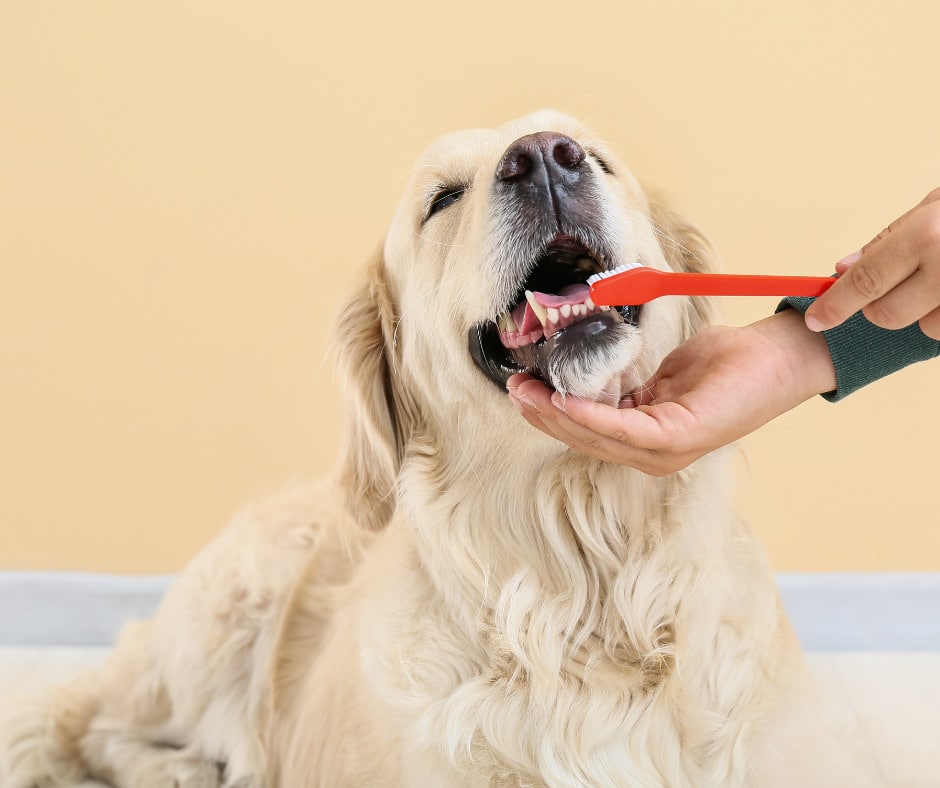
How to Prevent Dental Disease in Pets \| Oral Health for Cats & Dogs
It’s a common myth that “dog breath” is just part of the package. In reality, if your pet’s breath can peel paint off the walls, it’s usually a sign of a microbial party gone wrong.
Dental health is one of the most overlooked aspects of pet care, yet by age three, nearly 80% of dogs and 70% of cats show signs of oral disease. Here is a comprehensive guide to keeping those carnivorous smiles healthy.
The “Hidden” Dangers: Systemic Health Risks
First we should explain why dental health matters beyond just bad breath. When bacteria enter the bloodstream through inflamed gums, they can travel to and damage:
- The Heart: Linking periodontal disease to endocarditis.
- The Kidneys and Liver: Chronic inflammation forces these organs to work overtime to filter out bacteria.
- Diabetes: There is a bi-directional link where dental disease makes blood sugar harder to control in pets.
The Chemistry of “Dog Breath”
The journey from a clean mouth to dental disease happens in three distinct stages:
- Plaque: Within hours of eating, a sticky film of bacteria (biofilm) forms on the teeth. At this stage, it is soft and can be brushed away.
- Tartar (Calculus): If plaque isn’t removed, it reacts with minerals in the saliva and hardens into tartar within 48 to 72 hours. You cannot brush tartar away; it requires professional scaling.
- Periodontal Disease: Tartar travels under the gumline, causing inflammation (gingivitis) and eventually destroying the bone and tissue holding the teeth in place.
Why the smell? Bad breath (halitosis) is caused by metabolic byproducts of bacteria. While “pet breath” won’t smell like mint, it shouldn’t be offensive. If it is, bacteria are winning the war.
Signs of Dental Disease
Pets are notoriously “stoic”—they will often continue to eat even with significant oral pain. Watch for these subtle red flags:
- Red or bleeding gums: Healthy gums should be a pale, bubblegum pink.
- Discolored teeth: Yellow or brown crust (tartar) near the gumline.
- Drooling: Excessive salivation or “ropey” spit.
- Behavioral changes: Pawing at the mouth, dropping food, or tilting the head to one side while chewing.
- Muzzle sensitivity: Suddenly shying away when you try to pet their face.
Breed-Specific Considerations
Who is most at risk?
- Small Breeds: (Chihuahuas, Pugs, Yorkies) often have “crowded mouths,” leading to faster plaque buildup.
- Brachycephalic Breeds: Flat-faced cats and dogs often have misaligned teeth that trap food more easily.
- Cats: Mention feline resorptive lesions, a common but painful condition where the body starts “absorbing” the tooth.
The Gold Standard: Home Brushing
Brushing is the single most effective way to prevent dental disease. However, there is one non-negotiable rule:
Never Use Human Toothpaste
Human toothpaste often contains Xylitol (a sweetener that is highly toxic to dogs) and high levels of fluoride, which can cause gastric upset or toxicity since pets swallow the paste rather than spitting it out. Use only enzymatic pet toothpaste, which comes in “delicious” flavors like poultry or beef.
The Routine:
- Acclimation: For the first week, just let them lick the toothpaste off your finger.
- Contact: Rub your finger or a finger brush along their gums.
- The Brush: Use a soft-bristled pet toothbrush at a 45-degree angle to the gumline.
- Focus: Concentrate on the outside (cheek side) of the upper teeth—this is where the most tartar accumulates.
The Toolkit: Chews and Additives
If your pet treats a toothbrush like an enemy of the state, supplemental tools can help. Look for products with the VOHC (Veterinary Oral Health Council) seal of approval.
| Product Type | Examples | How it Works |
|---|
| Dental Chews | Greenies, Whimzees | Mechanical scraping as they chew; some contain polyphosphates to reduce tartar. |
|---|
| Water Additives | Oxyfresh, TropiClean | Colorless/tasteless liquids that break down biofilm in the water bowl. |
|---|
| Dental Diets | Hill’s t/d, Royal Canin Dental | Large, fibrous kibble that doesn’t shatter immediately, “scrubbing” the tooth. |
|---|
The “Buyer’s Guide” to Dental Products
Criteria to look for choosing products for your pet dental cleansing:
- The VOHC Seal: Explain what the Veterinary Oral Health Council seal is and why it’s the “Gold Standard” for proof of efficacy.
- Ingredients to Avoid: Mention Xylitol (toxic) and high-sugar dental treats that might do more harm than good.
- Hardness Test: A good rule of thumb—if you wouldn’t want to hit your knee with the toy/treat, it’s probably too hard for their teeth (e.g., antlers or heavy bones can cause fractures).
Professional Cleaning vs. Home Care
Think of home care as brushing your teeth and a veterinary cleaning as going to the dentist. You need both.
- Home Care: Maintains the status quo and slows down plaque buildup.
- Veterinary Cleaning: Performed under general anesthesia. This allows the vet to scale under the gumline and perform X-rays to see if the roots are rotting—something impossible to do while the pet is awake.
Note: “Anesthesia-free” dental cleanings are largely cosmetic. They scrape the visible tartar but miss the bacteria under the gums where the real damage happens.
Professional vs. “Anesthesia-Free” Cleanings
This is a major point of confusion for pet owners.
- Explain that “Anesthesia-free” cleaning is mostly cosmetic (polishing the surface) and does not address the bacteria under the gumline.
- Highlight the importance of Dental X-rays, which can reveal that 50% of dental disease is hidden beneath the surface.
6. The Prevention Schedule
Consistency is the enemy of gingivitis. Stick to this roadmap:
- Daily: Brush teeth (or at least 3 times a week). Provide one VOHC-approved dental chew.
- Weekly: Lift the lip to check for new redness or broken teeth.
- Annually: A professional oral exam during the wellness checkup.
- As Needed: Professional cleaning (typically every 1–3 years depending on the breed; small dogs and flat-faced cats often need them more frequently).
By staying proactive, you aren’t just saving your nose from bad breath—you’re protecting your pet’s heart, kidneys, and liver from the systemic inflammation caused by chronic oral infection.