
How to Care for Cats – Expert Guide for Healthy, Happy Cats

How to Care for Cats – A Complete Guide for Responsible Cat Owners
Caring for a cat is one of the most rewarding experiences in life. Cats bring warmth, companionship, and joy into our homes. They are independent yet affectionate, playful yet graceful. However, their care requires attention, structure, and understanding. Many people believe cats are “low-maintenance” pets, but the truth is that cats need proper nutrition, enrichment, grooming, and emotional care to stay healthy and happy.
Learning how to care for cats the right way ensures they live a long, stress-free, and fulfilling life. This guide will walk you through everything a responsible cat owner must know, including feeding tips, grooming advice, mental stimulation, routine health needs, and how products like the LickiMat Tuff Buddy support better cat wellbeing.
Why Proper Cat Care Matters
Cats rely on their owners for more than just food and shelter. They need emotional security, physical comfort, and mental stimulation. When cat care is done correctly, it helps prevent behavioral issues, digestive problems, anxiety, obesity, dental disease, and many health complications.
Proper cat care also improves a cat’s lifespan. Indoor cats live far longer when they receive balanced care. Understanding their needs creates stronger bonding and reduces stress for both the cat and the owner.
Knowing how to care for cats is not only about meeting basic needs but also about understanding the behaviors, instincts, and physical signs that keep them mentally and physically healthy.
Understanding Your Cat’s Basic Needs
Every cat, regardless of breed or age, requires a combination of essential care elements to thrive.
Nutrition
A balanced diet is necessary to maintain energy, immunity, and overall health. Cats are obligate carnivores, meaning they need high-quality animal protein.
Hydration
Fresh water supports digestion, kidney health, and temperature regulation.
Clean Living Environment
Cats are naturally clean animals. A dirty home or litter box can create stress and even lead to urinary issues.
Safe Spaces
Cats feel secure when they have quiet places to hide or relax.
Mental Stimulation
Interactive play, toys, and enrichment tools prevent boredom and destructive behavior.
Emotional Comfort
Cats bond deeply with their humans. Affection, gentle handling, and routine create emotional security.
Routine Vet Care
Regular health checkups ensure early detection of issues before they become serious.
When these basic needs are met consistently, cats flourish.
Common Cat Care Challenges Owners Face
Even experienced cat owners struggle with certain issues. Understanding these challenges helps you solve them early.
Boredom
Cats may sleep a lot, but they still need stimulation. Without enrichment, they can develop destructive scratching, excessive meowing, or overeating.
Anxiety
Cats become stressed by loud noises, guests, new pets, or environmental changes. Anxiety can lead to hiding, aggression, or refusal to eat.
Fast Eating
Some cats eat too quickly, which leads to vomiting, indigestion, and weight issues.
Grooming Resistance
Many cats dislike brushing or nail trimming, which makes grooming difficult.
Lack of Enrichment
When cats remain mentally unstimulated, their behavior declines. Enrichment is essential for a healthy mind.
These challenges can be reduced significantly with the right tools and routines — especially enrichment products like the LickiMat Tuff Buddy.
Nutrition and Feeding Tips for Healthy Cats
Nutrition is one of the most important aspects of cat care. Feeding your cat the right way ensures healthier digestion, fewer vet problems, and better energy levels.
Choose High-Quality Cat Food
Look for foods high in real meat, low in fillers, and free from artificial flavors.
Maintain a Consistent Feeding Schedule
Cats feel more secure when they know when meals are coming.
Avoid Dangerous Foods
Human foods such as onions, garlic, chocolate, grapes, and cooked bones are harmful or even life-threatening.
Slow Down Fast Eaters
If your cat eats too quickly, they may vomit or face digestive discomfort. Slow-feeding tools can help.
For more general feeding guidance, refer to organizations like the RSPCA or Australian Veterinary Association, which publish reliable cat nutrition resources.
Mental Stimulation and Playtime
Mental enrichment is essential in learning how to care for cats. Indoor cats especially need stimulation to keep their minds active and their behavior balanced.
Effective enrichment activities include:
- Interactive toys
- Feather wands
- Puzzle feeders
- Treat mats
- Climbing towers
- Window perches
- Daily play sessions
Cats are natural hunters. Toys and feeding tools that mimic hunting behavior help reduce anxiety, promote exercise, and improve mood.
One of the simplest ways to provide enrichment is through licking-based activities, which calm cats and occupy them for longer periods.
Introducing the LickiMat Tuff Buddy for Cat Care
The LickiMat Tuff Buddy is one of the most effective tools for providing enrichment, reducing stress, and slowing down fast eaters. It has become popular among cat owners because of its durability and versatility.
Product link:
https://avw.au/product/lickimat-tuff-buddy/
Benefits of the LickiMat Tuff Buddy
- Helps calm anxious cats
- Encourages slow feeding
- Reduces overeating
- Provides mental stimulation
- Keeps cats focused during grooming
- Useful during stressful situations such as thunderstorms or vet visits
- Safe and easy to clean
It uses textured surfaces to encourage licking, which releases endorphins and naturally helps cats relax.
How to Use the LickiMat Tuff Buddy for Cats
Using the LickiMat Tuff Buddy is simple and effective:
- Spread a soft treat such as wet food, tuna paste, pumpkin puree, or yogurt (cat-safe only).
- Freeze the mat for a longer-lasting activity.
- Use the mat during grooming or nail trimming to keep your cat distracted and calm.
- Offer it during stressful periods like fireworks, visitors, or traveling.
- Use it daily as a form of enrichment and routine feeding.
The mat supports healthy behavior, better digestion, and improved emotional stability.
Grooming and Hygiene Tips
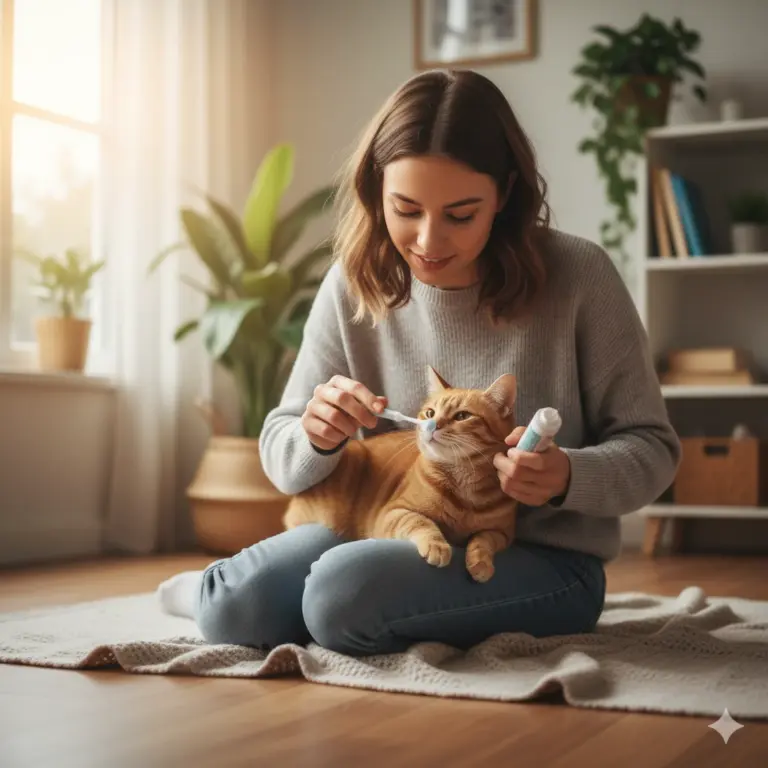
Grooming is a key part of cat care. Without proper grooming, cats may suffer from matting, hairballs, skin irritation, and infections.
Brushing
Brush regularly based on your cat’s coat type to reduce shedding and hairballs.
Nail Trimming
Trim nails before they become too sharp or uncomfortable.
Ear Cleaning
Check ears weekly for signs of debris or infection.
Litter Box Hygiene
Scoop daily and change the litter frequently to keep your cat comfortable.
Dental Care
Dental disease is common in cats. Use dental treats or brushing routines where possible.
Grooming also helps you bond with your cat and detect health issues early.
Vet Visits and Preventive Health Care
Regular vet checkups are part of responsible cat care. Cats are skilled at hiding pain, so routine exams are vital.
Vet care may include:
- Vaccinations
- Flea and worm treatments
- Dental examinations
- Blood tests for senior cats
- Weight monitoring
- Behaviour evaluations
Regular vet visits can prevent minor issues from becoming serious or expensive.
To explore high-quality pet care products, you can visit AVW’s homepage:
https://avw.au
Creating a Safe and Stress-Free Home Environment
Cats thrive in environments where they feel secure.
To create a relaxing home:
- Provide hiding spots
- Offer elevated spaces
- Keep noise levels low
- Avoid sudden changes in routine
- Provide scratching posts
- Keep food and litter areas separate
A stable environment reduces stress and improves overall cat behaviour.
Final Thoughts – Caring for Cats With Love, Consistency, and Enrichment
Learning how to care for cats involves understanding their physical and emotional needs. With proper nutrition, grooming, vet care, and mental stimulation, your cat will live a long, healthy, and comfortable life.
Tools like the LickiMat Tuff Buddy make enrichment easy and enjoyable for cats, helping reduce stress and support better eating habits.
Explore it here:
https://avw.au/product/lickimat-tuff-buddy/
Tags

Dr. Evan Shaw
Dr. Evan Shaw is an Australian veterinarian, a passionate animal advocate, promoting the philosophy that prevention is always better than cure.
His mission is to empower pet owners by providing expert advice and easy, consistent access to comprehensive pet protection.
What do you think?
Related Articles
Cats Tooth Care – Expert Guide to Feline Dental Health
Cats Tooth Care – A Complete Guide to Protecting Your Cat’s Dental Health Maintaining proper dental hygiene is one of the most important aspects of

Natural and Easy Home Remedies for Pet Constipation
Just like humans, pets can suffer from constipation – and it’s more common than you think. Watching your dog or cat struggle to pass stool

Best Dog Dental Chews: Keep Your Pup’s Smile Healthy and Happy
When it comes to your dog’s health, dental care is often overlooked. Yet, oral hygiene plays a crucial role in preventing bad breath, gum disease,