
Is Swimming Safe for Pets? Expert Water Safety Guide
Is Swimming Safe for Pets? A Complete Safety Guide for Responsible Pet Owners
Swimming is one of the most enjoyable forms of exercise for humans and pets alike. Many dogs love splashing in the water, cooling off during summer, and playing fetch in shallow areas. Pet owners often wonder, however, is swimming safe for pets? The truth is that swimming can be both safe and beneficial, but only when done responsibly and with careful attention to your pet’s comfort, health, and safety.
Some pets are natural swimmers. Others feel fearful, anxious, or physically unable to stay afloat without help. Many pet owners also underestimate the hidden dangers associated with swimming, such as water intoxication, fatigue, chlorine irritation, and panic episodes. Because of these risks, it is important to approach swimming with knowledge, preparation, and proper safety tools.
This comprehensive guide explains the benefits, risks, safety tips, after-care routines, and expert advice you need to know. It also explores how calming aids like PET RELAX SPRAY 200ML can help pets who feel anxious around water.
Understanding Whether Swimming Is Safe for Pets
Whether swimming is safe depends on several factors, including your pet’s breed, physical health, age, temperament, and previous experiences with water. Many dogs enjoy swimming naturally, especially breeds such as Labradors, Golden Retrievers, Poodles, and Newfoundlands. However, other breeds with flat faces, heavy chests, or short legs can struggle and may require extra support.
Cats, on the other hand, typically avoid water unless trained slowly and gently from a young age. While some cats tolerate shallow water, many experience stress when fully submerged.
The question “is swimming safe for pets” cannot be answered with a simple yes or no. Instead, safety depends on preparation, watching your pet’s body language, and ensuring the environment is controlled.
Benefits of Swimming for Dogs and Other Pets
When done safely, swimming offers numerous health and lifestyle benefits for pets:
Low-Impact Exercise
Swimming is gentle on joints and ideal for older pets or those recovering from injuries.
Weight Management
It burns calories without putting pressure on bones or joints.
Mental Stimulation
The new environment and physical movement reduce boredom and improve mood.
Muscle Strengthening
Water resistance helps build strong muscles and increases flexibility.
Cardiovascular Health
Swimming improves heart and lung function.
Temperature Control
Water helps pets cool down on hot days without the risks of overheating.
Although swimming provides many advantages, it must be handled safely to avoid accidents or stress.
Potential Risks Pets Face While Swimming
Swimming may look harmless, but several risks can affect pets who are not prepared or monitored closely.
Risk of Drowning
Even strong swimmers can panic, inhale water, or become fatigued.
Water Intoxication
Excessive swallowing of water can lead to electrolyte imbalance and serious health issues.
Chlorine and Chemical Exposure
Pools contain chemicals that may irritate skin, eyes, or paws.
Panic and Anxiety
A scared pet may thrash, scratch, or attempt to escape, increasing the risk of injury.
Ear Infections
Water trapped in the ears can cause bacterial or yeast infections.
Fatigue
Swimming is more exhausting than walking, and pets may tire quickly without showing signs.
Open-Water Dangers
Oceans, rivers, and lakes may contain strong currents, algae, sharp debris, or unsafe wildlife.
For further insights on water safety, you can refer to RSPCA’s official guide:
https://kb.rspca.org.au/
Signs Your Pet Is Not Comfortable in Water
Before introducing a pet to swimming, it’s important to understand their comfort level. Signs your pet may be fearful or uncomfortable include:
- Trembling or stiff body posture
- Excessive panting or drooling
- Attempts to escape or cling to you
- Whining or vocalizing
- Flattened ears or dilated pupils
- Hesitation or refusal to enter water
- Rapid swimming movements, indicating panic
Recognizing these behaviours early helps prevent traumatic experiences and keeps your pet safe.
How to Make Swimming Safer for Pets
Swimming can be safe and enjoyable when the right precautions are taken. Here are the most effective safety measures:
Start in Shallow Water
Always begin with small, shallow areas so your pet can gain confidence.
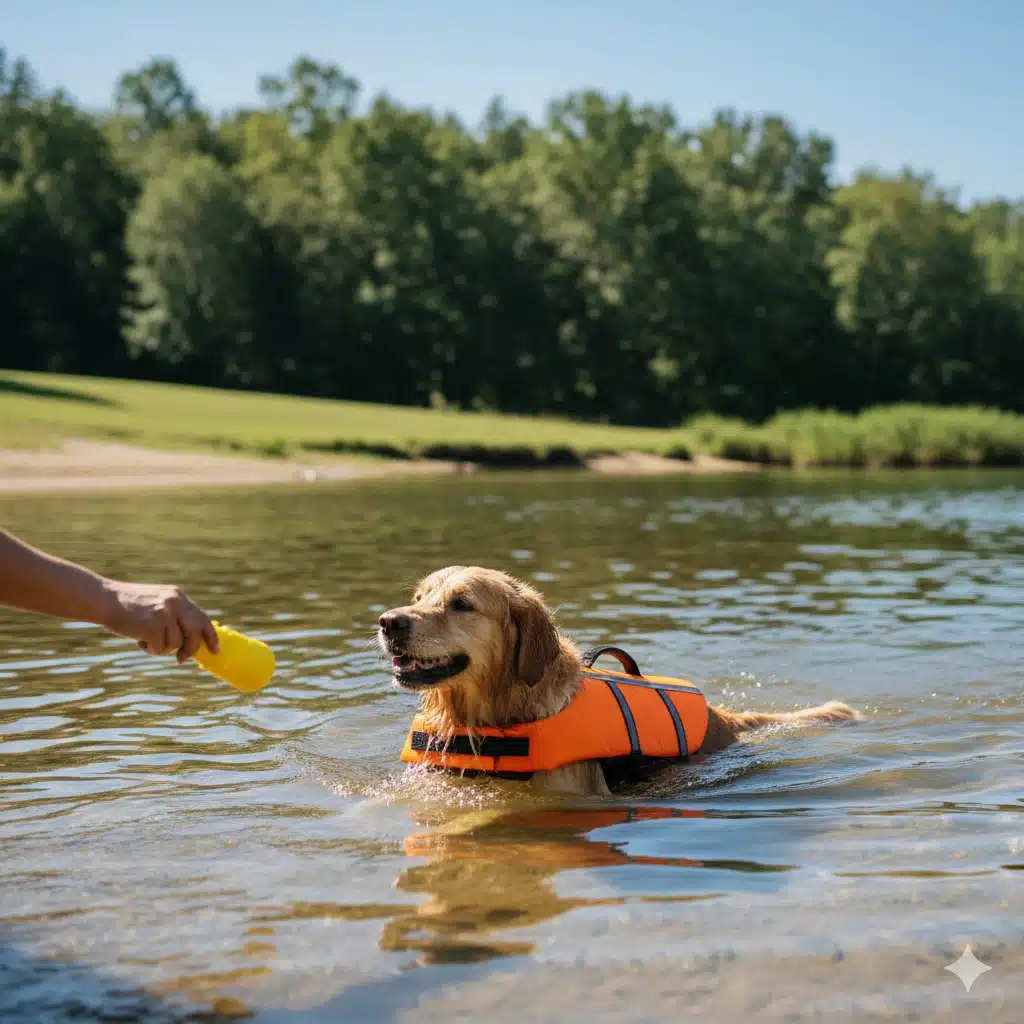
Use a Pet Life Jacket
Life jackets provide buoyancy, especially for breeds that struggle with floating.
Supervise Constantly
Never leave a pet unattended around water.
Keep Sessions Short
Avoid long swimming sessions to prevent fatigue.
Control the Environment
Choose calm, clean water without strong currents, deep sections, or slippery edges.
Prevent Excessive Water Drinking
Monitor your pet to ensure they do not gulp large amounts of water.
Rinse After Swimming
Pool chlorine, lake bacteria, and salty ocean water can irritate skin and fur.
Protect the Ears
Dry ears gently after swimming to prevent infection.
For more pet care tools and products, you may visit the main site:
https://avw.au
Managing Anxiety Before and After Swimming
Some pets experience anxiety around water due to past experiences, personality, or unfamiliar environments. Signs of anxiety may include pacing, shaking, hiding, or excessive vocalizing.
Calming aids can play a significant role in reducing stress before and after swimming sessions. One effective solution available on AVW.au is PET RELAX SPRAY 200ML.
PET RELAX SPRAY 200ML – A Helpful Support for Nervous Pets
Product link:
https://avw.au/product/pet-relax-spray-200ml/
PET RELAX SPRAY 200ML is designed to support emotional balance and calm behaviour. It is especially useful for:
- Pets who fear water
- Pets who panic during bathing or swimming
- Nervous pets exposed to new environments
- Pets who require relaxation after physical activity
- Animals who react to loud pool areas or crowded beaches
The spray can be used before swimming sessions to reduce anxiety and after swimming to help pets settle down. It offers a natural, gentle way to help pets feel more secure and willing to explore water at their own pace.
Expert Advice by Dr. Evan Shaw
As the website’s veterinary advisor, Dr. Evan Shaw emphasizes the importance of understanding your pet’s emotional and physical needs before introducing them to swimming.
According to Dr. Shaw:
“Swimming offers excellent health benefits, but it must always be approached with caution. Not every pet feels confident in water, and forcing them can lead to severe anxiety or injury. Pet owners should introduce water gradually, respect their pet’s body language, and use calming aids when necessary. Tools like PET RELAX SPRAY 200ML can support anxious pets and make the experience far more positive.”
Dr. Shaw strongly recommends monitoring your pet at all times, using a flotation device when necessary, and ensuring proper after-swim care.
Step-by-Step Guide to Introducing Your Pet to Water Safely
Here is a safe and effective approach:
- Begin with shallow water where your pet can stand comfortably.
- Allow your pet to sniff the area and explore at their own pace.
- Speak calmly and reward relaxed behaviour.
- Avoid forcing your pet into water.
- Gradually increase depth only if your pet appears confident.
- Use a life jacket for added safety.
- Keep sessions short and end on a positive note.
- Use PET RELAX SPRAY before swimming to support calmness.
This slow, supportive introduction helps build trust and prevents fear.
After-Swim Care Every Pet Owner Should Follow
Proper after-care is essential for preventing infections or irritation.
Rinse Fur Thoroughly
Remove chlorine, salt, and lake residue.
Dry Ears Carefully
Reduce the risk of ear infections by drying the inner ear folds.
Brush Fur
Prevent matting and remove debris.
Offer Fresh Drinking Water
Swimming can be dehydrating.
Check Paws and Skin
Look for cuts, scrapes, redness, or irritation.
Allow Rest
Swimming burns significant energy, so pets need rest afterward.
Following these steps ensures your pet remains healthy after each swimming session.
Final Thoughts – Ensuring Safe and Comfortable Swimming for Your Pet
So, is swimming safe for pets? Yes, it can be safe — when done with supervision, preparation, and understanding. Knowing your pet’s comfort level, taking proper safety measures, and using supportive tools like PET RELAX SPRAY 200ML can transform swimming into a healthy, enjoyable experience.
Swimming should always be introduced slowly and positively, with attention to your pet’s behaviour. Whether you’re helping your dog enjoy a pool, lake, or beach, safety must come first.
Explore more pet-care solutions at:
https://avw.au
And learn more about PET RELAX SPRAY 200ML here:
https://avw.au/product/pet-relax-spray-200ml/
Tags

Dr. Evan Shaw
Dr. Evan Shaw is an Australian veterinarian, a passionate animal advocate, promoting the philosophy that prevention is always better than cure.
His mission is to empower pet owners by providing expert advice and easy, consistent access to comprehensive pet protection.
What do you think?
Related Articles

How to Choose the Right Pet Veterinary Supplements
When it comes to keeping our pets happy and healthy, nutrition plays a crucial role. As pet owners, we always want the best for our
Cat Grooming: The Secret to a Shiny Coat
Cat Grooming Is Essential for Your Pet’s Health Regular cat grooming is not just keeping your pet looking good. It removes dust, dead skin, and
Best Churu for Cats – Healthy, Safe Puree Treat Options
Best Churu for Cats – A Complete Guide to Choosing Healthy and Safe Cat Treats Cat owners want the best for their pets, and treats