
Winter Care for Your Pets: Managing Fleas, Ticks, and Grooming in the Cold

As the cooler months approach, it’s important to remember that your pet’s thick, fluffy coat still requires attention, even as the temperature drops. Although fleas and ticks are often associated with the warmer seasons, they can still pose a significant threat during the colder months. Additionally, consistent grooming is key to keeping your pet comfortable and healthy year-round. In this blog post, we’ll delve into effective strategies for managing fleas and ticks during winter and share grooming tips to ensure your pet stays content and cosy. Let’s get started!
Understanding the Flea and Tick Risk in Cooler Weather:
There’s a common misconception that fleas and ticks simply disappear during winter, but these persistent pests can still be a concern for your pets. While their activity might decrease in cooler temperatures, they can survive indoors, particularly in warm spots like homes. Areas such as basements, attics, or places near heating vents offer ideal conditions for their survival. Additionally, in more temperate regions of Australia, fleas and ticks can remain active throughout the year, as the climate doesn’t get cold enough for them to hibernate. It’s crucial to understand that the risk isn’t completely eliminated in winter, so preventative measures should continue to be a priority to safeguard your pets and your home.
Managing Fleas and Ticks During Winter:
To effectively manage fleas and ticks in winter, regular checks and preventive care are essential. Inspect your pet’s coat and skin for any signs of infestation, such as excessive scratching or redness, on a routine basis. Consult your veterinarian for appropriate flea and tick preventatives, as some products are specifically designed for year-round protection. Maintaining a clean living environment is also crucial. Vacuum frequently, paying special attention to areas where your pet spends time, and wash their bedding in hot water to eradicate any potential pests. Don’t forget to treat your yard and outdoor spaces, as fleas and ticks can still be present during the cooler months.
Grooming Tips for Comfort During Cooler Months:
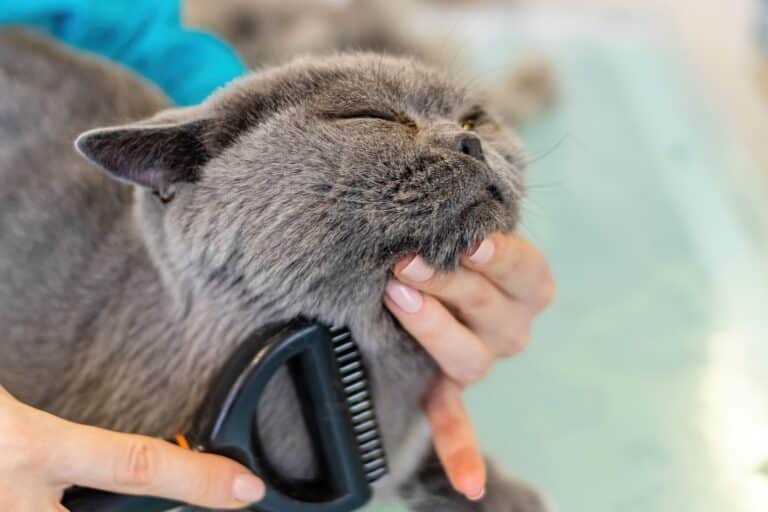
When grooming your pet during the cooler months, a few tips can help keep them comfortable. Regular brushing is vital to prevent matting and to remove dead hair, which can trap moisture and cause skin problems. For pets with long hair, consider trimming their fur to a manageable length, particularly around the paws and belly. This helps prevent the buildup of dirt, mud, or moisture, which could lead to discomfort or skin irritation. When bathing your pet, use a gentle, pet-friendly shampoo that won’t dry out their skin. Make sure to dry them thoroughly after a bath to avoid any risk of chilling – a hairdryer on a low, warm setting can be helpful, but be sure not to overheat or burn your pet.
Additional Care Tips for the Cooler Season:
Beyond managing fleas and ticks, you must consider other aspects of winter care. Moisturise your pet’s skin and paws regularly. Focus especially on exposed areas like their nose. This helps combat dryness caused by cooler weather. Indoor heating also contributes to dry skin. Use only pet-safe moisturisers for this task. You can also seek advice from your veterinarian on suitable products.
Protect your pet from the cold with adequate shelter. Provide clothing such as jackets or boots for extra warmth. This is especially important for pets sensitive to the cold. Avoid leaving your pets outside for prolonged periods. Long exposure can lead to dangerous hypothermia. Be vigilant for any signs of discomfort. Consult your veterinarian immediately if you notice health issues.
Maintaining Well-being in Cooler Months
The cooler months bring a change in weather. However, this change does not end concerns about fleas or ticks. You must also maintain your grooming routine. Take proactive steps to manage these pests. Keep a grooming schedule suited to the winter season. These actions ensure your pet’s well-being and comfort.
Do not hesitate to consult your veterinarian for tailored advice. They can answer any specific questions or concerns. Stay attentive to your pet’s needs. Keep your pets cosy during the chill. Enjoy the beauty of the cooler months together!
Simplifying Winter Bath Time
Bath time during the colder season presents a challenge. However, you can make it quicker with the right products. Better products also make bathing less frequent. This allows you to focus on staying warm. Support your pet’s coat this winter with Nectar of the Dogs’ Skin & Coat Medicinal Water Treat.
Tags

Dr. Evan Shaw
Dr. Evan Shaw is an Australian veterinarian, a passionate animal advocate, promoting the philosophy that prevention is always better than cure.
His mission is to empower pet owners by providing expert advice and easy, consistent access to comprehensive pet protection.
What do you think?
Related Articles

How to Care for Cats – Expert Guide for Healthy, Happy Cats
How to Care for Cats – A Complete Guide for Responsible Cat Owners Caring for a cat is one of the most rewarding experiences in

Dental Disorder of Pets | Natural Oral Care Powder – AVW
Dental Disorder of Pets: Causes, Symptoms, and Natural Solutions for Healthy Teeth A bright smile isn’t just for humans — your furry friend deserves one
Cat Grooming: The Secret to a Shiny Coat
Cat Grooming Is Essential for Your Pet’s Health Regular cat grooming is not just keeping your pet looking good. It removes dust, dead skin, and
